
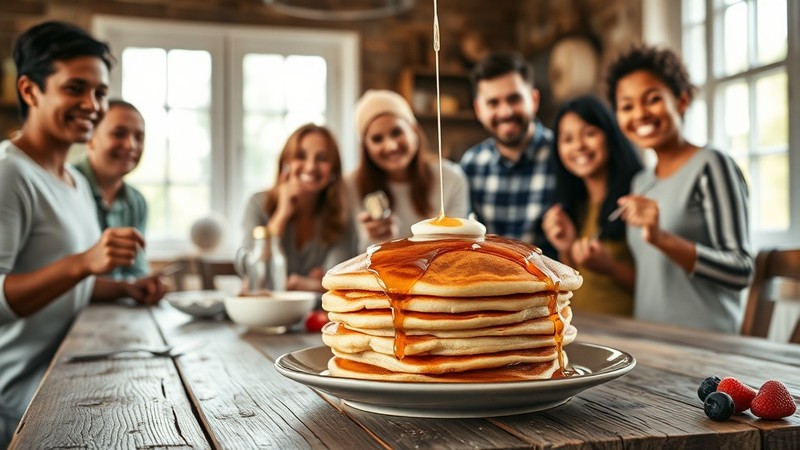
Create memorable weekend mornings with these incredibly fluffy, golden pancakes that are simple enough for kids to help make
There’s something magical about the smell of fresh pancakes wafting through the house on a weekend morning. As a food writer and busy mom, I’ve tested countless pancake recipes over the years, and this one truly stands out as exceptional. Originally from celebrated British chef Nigella Lawson’s “How to be a Domestic Goddess,” this recipe has been winning over Canadian families for decades with its foolproof technique and consistently perfect results.
What makes these pancakes special isn’t just their incredible fluffiness—it’s how forgiving and adaptable they are. Whether you’re a novice cook or an experienced home chef, whether you have picky eaters or adventurous food lovers, this recipe delivers every single time.
Why This Recipe Works So Well
The Science Behind Perfect Pancakes
The magic in this recipe lies in its precise balance of ingredients and technique. The combination of baking powder and the resting period creates the perfect rise, while the ratio of wet to dry ingredients ensures pancakes that are fluffy without being dense, and moist without being soggy.
Key Success Factors:
- Proper leavening: The tablespoon of baking powder creates those coveted air pockets
- Resting time: Allowing the batter to sit for 20 minutes lets the flour hydrate and the baking powder activate
- Correct mixing: Whether by blender or by hand, proper mixing prevents lumps while avoiding tough pancakes
- Visual cooking cues: Learning to read the bubbles tells you exactly when to flip
What Makes These Different from Other Pancakes
Unlike many North American pancake recipes that can be heavy or overly sweet, this recipe creates pancakes that are:
- Light and airy with a tender crumb
- Subtly sweet allowing toppings to shine
- Sturdy enough to hold up to syrup and fruit
- Versatile for both sweet and savoury applications
The Complete Recipe
Ingredients (Serves 4-6)
Dry Ingredients:
- 1½ cups all-purpose flour
- 1 tablespoon baking powder
- 1 pinch of salt (about ⅛ teaspoon)
- 1 teaspoon granulated sugar
Wet Ingredients:
- 2 large eggs, beaten
- 2 tablespoons butter, melted and cooled
- 1⅓ cups milk (2% or whole milk works best)
For Cooking:
- Butter for greasing the pan
Equipment You’ll Need
- Large mixing bowl or blender
- Whisk (if mixing by hand)
- Measuring cups and spoons
- Non-stick skillet or griddle
- Ladle or measuring cup for pouring batter
- Thin spatula for flipping
Step-by-Step Instructions
Method 1: Blender Technique (Recommended for Beginners)
- Add all ingredients to your blender in this order: milk, eggs, melted butter, then all dry ingredients on top
- Blend on medium speed for 30-45 seconds until completely smooth
- Pour into a pitcher for easy pancake making
- Let rest for 20 minutes at room temperature
Method 2: Traditional Bowl Method
- Create a well: In a large bowl, whisk together flour, baking powder, salt, and sugar. Make a deep well in the centre
- Combine wet ingredients: In a separate bowl or measuring cup, beat eggs, then whisk in cooled melted butter and milk
- Mix gently: Pour wet ingredients into the flour well. Using a whisk, gently combine until just mixed—a few small lumps are perfectly fine
- Transfer and rest: Pour batter into a pitcher and let stand for 20 minutes
The Resting Period: Why It Matters
During the 20-minute rest, several important things happen:
- Flour hydrates fully, creating better texture
- Baking powder activates, creating more lift
- Gluten relaxes, preventing tough pancakes
- Flavours meld for better taste
Perfect Cooking Technique
- Preheat your pan: Heat a non-stick skillet or griddle over medium heat (about 350°F if using an electric griddle)
- Test the temperature: A drop of water should sizzle and evaporate quickly
- Grease lightly: Add a small amount of butter and wipe out excess with a paper towel
- Pour consistently: Use about ¼ cup of batter for each pancake
- Watch for bubbles: When the surface is covered with bubbles and the edges look set (about 2-3 minutes), it’s time to flip
- Flip once: Cook the second side for just 1-2 minutes until golden brown
- Keep warm: Place finished pancakes on a baking sheet in a 200°F oven
Troubleshooting Common Issues
Problem: Pancakes Are Too Dense
Solutions:
- Don’t overmix the batter
- Check that your baking powder is fresh (replace every 6 months)
- Ensure you’re letting the batter rest
- Try using room temperature ingredients
Problem: Pancakes Are Too Thin
Solutions:
- Add more flour, 1 tablespoon at a time
- Let batter rest longer to thicken
- Check that you measured flour correctly (spoon and level, don’t pack)
Problem: Pancakes Are Burning Outside, Raw Inside
Solutions:
- Lower your heat to medium or medium-low
- Use a heavier-bottomed pan for even heat distribution
- Make smaller pancakes that cook through faster
Problem: Batter Is Too Thick to Pour
Solutions:
- Add milk 1 tablespoon at a time until you reach desired consistency
- This is especially common when using smaller pans that need thinner batter
Delicious Variations to Try
Sweet Additions
Vanilla Pancakes: Add 1 teaspoon pure vanilla extract to the wet ingredients
Cinnamon Sugar: Mix 1 teaspoon cinnamon into the dry ingredients and increase sugar to 2 teaspoons
Lemon Ricotta: Add ½ cup ricotta cheese and zest of one lemon to batter, thin with extra milk if needed
Chocolate Chip: Gently fold in ½ cup mini chocolate chips after batter has rested
Berry Bliss: Add ½ cup fresh or frozen blueberries, raspberries, or chopped strawberries
Apple Cinnamon: Fold in 1 cup finely diced apple and 1 teaspoon cinnamon
Healthy Swaps
Whole Wheat: Replace half the all-purpose flour with whole wheat flour
Buttermilk Version: Substitute buttermilk for regular milk and reduce baking powder to 2 teaspoons
Protein Boost: Replace ¼ cup flour with vanilla protein powder
Dairy-Free: Use plant-based milk and coconut oil instead of butter
International Inspired Flavours
Maple Pecan: Add 2 tablespoons maple syrup to batter and fold in chopped pecans
Orange Cardamom: Add orange zest and ¼ teaspoon ground cardamom
Coconut Lime: Fold in shredded coconut and lime zest
Serving Suggestions and Toppings
Classic Canadian Toppings
- Pure maple syrup (the real deal!)
- Fresh butter melting on hot pancakes
- Fresh berries and whipped cream
- Icing sugar dusted on top
Creative Topping Ideas
- Fruit compotes: Warm berry or apple compote
- Nut butters: Almond, peanut, or sunflower seed butter
- Yogurt parfait style: Greek yogurt, granola, and honey
- Savoury twist: Crispy bacon and a drizzle of maple syrup
Make-Ahead Topping Preparations
- Berry compote: Simmer frozen berries with a touch of sugar and lemon
- Whipped cream: Make fresh or prepare stabilized whipped cream the night before
- Fruit salad: Cut fresh fruit and store covered in the fridge
Storage and Meal Prep Tips
Making Batter Ahead
- Refrigerate batter for up to 24 hours
- Thin with milk before using as it will thicken
- Don’t add baking powder until ready to cook for best results
Freezing Cooked Pancakes
- Cool completely on wire racks
- Layer between parchment paper
- Freeze in freezer bags for up to 3 months
- Reheat in toaster or microwave from frozen
Weekend Meal Prep Strategy
- Mix dry ingredients in mason jars for multiple batches
- Pre-portion batter in squeeze bottles for easy cooking
- Prepare toppings the night before for stress-free mornings
Getting Kids Involved
Age-Appropriate Tasks
Ages 3-5:
- Measuring ingredients with supervision
- Pressing blender buttons
- Watching for bubbles to appear
Ages 6-9:
- Cracking eggs (with backup plan!)
- Pouring batter into pan with help
- Timing the cooking with a timer
Ages 10+:
- Following the complete recipe independently
- Experimenting with flavour variations
- Teaching younger siblings
Safety Tips for Young Cooks
- Always supervise around hot surfaces
- Use step stools for proper counter height
- Teach proper hand washing before and after cooking
- Keep pot handles turned in to prevent accidents
Nutritional Information and Dietary Considerations
Basic Nutritional Profile (per pancake)
- Calories: Approximately 140
- Protein: 4g
- Carbohydrates: 20g
- Fat: 4g
- Fiber: 1g
Dietary Modifications
Gluten-Free: Use a 1:1 gluten-free flour blend, but add an extra 2 tablespoons of liquid
Egg-Free: Replace each egg with ¼ cup applesauce or commercial egg replacer
Lower Sugar: The recipe is already quite low in sugar, but you can omit it entirely for very young children
Higher Protein: Add a scoop of vanilla protein powder and increase liquid slightly
The Cultural Significance of Pancakes in Canadian Homes
Pancakes hold a special place in Canadian family traditions. From lazy Sunday mornings to special occasion brunches, these simple ingredients transform into memories that last a lifetime. The beauty of this particular recipe is how it bridges generations—grandparents can teach grandchildren, and busy parents can create something special without stress.
Many Canadian families have made pancake breakfasts a weekly tradition, often accompanied by local maple syrup and seasonal fruit. The act of cooking together, whether it’s letting toddlers help measure ingredients or teaching teenagers to flip pancakes, creates bonding moments that extend far beyond the kitchen.
Expert Tips from Professional Kitchens
Temperature Control Mastery
Professional chefs know that consistent temperature is key to perfect pancakes. If you’re making multiple batches, your pan will get hotter over time, so you may need to reduce heat slightly as you go.
Batter Consistency Secrets
The perfect pancake batter should coat a spoon but still pour easily. In professional kitchens, chefs often prepare batter to different consistencies for different sized pancakes—thinner for large, thin pancakes, and thicker for smaller, fluffier ones.
Timing for Large Batches
When cooking for crowds, prepare multiple batches of dry ingredients in advance. You can mix wet ingredients and combine everything quickly, ensuring fresh, hot pancakes for everyone.
Seasonal Variations Throughout the Year
Spring (March-May)
- Strawberry rhubarb: Add diced strawberries and rhubarb
- Lemon poppy seed: Fresh lemon zest and poppy seeds
- Maple walnut: Celebrating the end of maple syrup season
Summer (June-August)
- Berry medley: Take advantage of fresh local berries
- Peach cobbler: Diced fresh peaches with cinnamon
- Corn pancakes: Add fresh corn kernels for texture
Fall (September-November)
- Pumpkin spice: Add pumpkin purée and warm spices
- Apple harvest: Grated apples with cinnamon and nutmeg
- Cranberry orange: Tart cranberries with orange zest
Winter (December-February)
- Gingerbread: Warm spices like ginger, cinnamon, and molasses
- Chocolate peppermint: Perfect for holiday mornings
- Citrus boost: Bright flavours to combat winter doldrums
Creating Special Occasion Pancakes
Birthday Celebrations
Transform ordinary pancakes into celebration food by:
- Adding sprinkles to the batter
- Creating pancake “cakes” with layers
- Using cookie cutters for fun shapes
- Making rainbow pancakes with food colouring
Holiday Traditions
Many families create special holiday pancake traditions:
- Christmas morning: Cinnamon roll pancakes
- Canada Day: Red and white berry pancakes
- Thanksgiving: Pumpkin pancakes with pecans
- Easter: Lemon ricotta pancakes with fresh flowers
Beyond Breakfast: Creative Uses for Pancake Batter
Savory Applications
This versatile batter works wonderfully for:
- Yorkshire pudding alternative
- Toad in the hole with sausages
- Vegetable fritters by adding grated vegetables
- Fish batter for a lighter alternative to heavy batters
Dessert Transformations
- Pancake ice cream sandwiches
- Mini pancakes as cake decoration
- Pancake bread pudding
- Stuffed pancakes with cream cheese filling
The Environmental Impact: Sourcing Ingredients Responsibly
Choosing Sustainable Options
- Local flour: Support Canadian grain farmers when possible
- Free-range eggs: Better for animal welfare and often tastier
- Organic milk: Reduces pesticide impact
- Real maple syrup: Support Canadian maple producers
Reducing Food Waste
- Use every drop: This recipe is designed to minimize waste
- Repurpose leftovers: Day-old pancakes make great French toast
- Compost scraps: Eggshells and any food waste can be composted
Building Confidence in the Kitchen
For Nervous Cooks
If you’re intimidated by cooking, pancakes are an excellent place to start. This recipe is forgiving, uses basic techniques, and provides immediate gratification. The visual cues (bubbles forming, edges setting) make it easy to know when you’re doing things right.
For Experienced Cooks
Even if you’re comfortable in the kitchen, this recipe offers opportunities to perfect your technique and experiment with flavours. Try different flour combinations, play with spice blends, or develop your own signature variation.
When Things Go Wrong: Recovery Strategies
Burnt Pancakes
- Lower the heat and clean your pan
- Add a bit more butter or oil
- The first pancake is often a test—don’t get discouraged
Flat Pancakes
- Check your baking powder freshness
- Don’t overmix future batches
- Add a pinch more baking powder to remaining batter
Too Salty or Sweet
- Make a second batch with adjusted seasoning
- Mix the batches together to balance flavours
- Use toppings to counterbalance flavours
The Final Word on Perfect Pancakes
After making thousands of pancakes over the years, I can confidently say this recipe delivers consistently excellent results. The key is understanding that small variations in technique, ingredients, or even weather can affect outcomes, but this recipe is robust enough to handle those variations gracefully.
Remember, the best pancakes are the ones shared with people you love. Don’t stress about perfection—focus on creating warm, happy memories around the breakfast table. Whether it’s a special weekend treat or a weekday morning surprise, these pancakes will become a cherished part of your family’s culinary story.
The beauty of mastering a recipe like this is that it becomes second nature over time. Soon, you’ll be adjusting consistency by feel, knowing exactly when to flip by sight, and creating your own family variations that will be passed down to the next generation.
So gather your ingredients, call the family to the kitchen, and start creating delicious memories one fluffy, golden pancake at a time.