
Playdates can feel like a minefield of unspoken rules and potential social mishaps. I’ve been there, wondering if I should stay or go, what to say, and how to handle it when things don’t go as planned.
The key to successful playdates is understanding basic expectations around hosting, communication, and boundaries before issues arise. Most awkward moments happen because parents aren’t sure what’s considered normal or how to speak up when something feels off.
I’ll walk you through the practical side of playdates, from planning the guest list to knowing when it’s okay to end things early. You’ll learn how to handle drop-offs smoothly, manage tricky behavior, and have those uncomfortable conversations that sometimes need to happen.
Setting the Stage for a Positive Playdate
A successful playdate starts with smart planning about timing, creating a safe space, and clear communication with the other parent before kids arrive.
Choosing the Ideal Time and Duration
I recommend scheduling playdates for 1.5 to 2 hours max for kids under 6 years old. Younger children tire easily and need shorter visits.
For kids ages 6-10, I find that 2-3 hours works well. This gives them enough time to settle in and play without getting overstimulated or cranky.
I always avoid scheduling playdates during normal nap times or right before meals. Hungry or tired kids don’t play well together. The best windows are usually mid-morning (10 AM-noon) or mid-afternoon (2-4 PM).
I also check the other child’s schedule before picking a time. Some families have strict routines for meals and rest that I need to work around.
Preparing Your Home Environment
I do a quick safety check before any playdate. This means I put away breakable items, secure loose cords, and lock doors to rooms that are off-limits.
I set up a designated play area with age-appropriate toys already out. I remove toys my child doesn’t like to share ahead of time to prevent conflicts.
Basic prep checklist:
- Put away valuables and fragile items
- Check that stairs have gates (if needed)
- Keep bathroom accessible and stocked
- Have snacks and drinks ready
- Remove special toys that might cause fights
I make sure I have basic first aid supplies handy, including bandages and ice packs. I also keep the visiting child’s parent contact info and any allergy information in an easy-to-find spot.
Communicating Expectations Up Front
I contact the other parent at least a day before the playdate to confirm details. I ask about food allergies, dietary restrictions, and any behavior or medical issues I should know about.
I’m direct about my house rules. I let parents know if we have a “no screens” policy or if certain areas are off-limits.
I also ask what pick-up time works best and get a cell phone number where I can reach them during the playdate. I share my number too.
If I’m serving snacks, I tell the other parent exactly what I plan to offer. This prevents surprises about sugar, dyes, or other ingredients they might want to avoid.
Guest List Considerations
Creating the right mix of children at a playdate helps everyone have a good time and reduces potential problems before they start.
Matching Children’s Ages and Interests
I keep age gaps small when planning playdates, usually within one to two years. A three-year-old and a six-year-old often struggle to find common activities since their play styles differ significantly.
I consider what kids enjoy doing before sending invitations. If my child loves building with blocks and another child prefers active outdoor games, they might not mesh well for an extended playdate.
Best age groupings:
- Toddlers (2-3 years): Keep groups small with 1-2 guests maximum
- Preschoolers (4-5 years): Can handle 2-3 other children
- Early elementary (6-8 years): Usually manage well with 3-4 guests
I also think about personality types. A quiet child might feel overwhelmed with multiple energetic kids around. I aim for balance rather than inviting every child my kid knows.
Discussing Allergies and Special Needs
I ask about food allergies before every playdate, even if I’ve hosted the child before. Allergies can develop at any time.
I get specific details about what to avoid. Some kids need nut-free environments while others only avoid certain foods. I also ask about the severity and location of any EpiPens.
Beyond food, I inquire about other medical needs. Some children have asthma, diabetes, or other conditions I need to know about.
I don’t make assumptions about behavioral or developmental needs. I simply ask parents if their child needs any accommodations or if there’s anything I should know to make the playdate successful.
Coordinating with Other Parents
I reach out to parents directly rather than arranging playdates through children. Kids often invite friends without understanding scheduling or parent approval.
I provide clear details upfront: date, time, activities planned, whether siblings are included, and pick-up expectations. This prevents confusion later.
I confirm the day before, especially for first-time guests. I send my phone number and address, even if I think they have it.
I ask about parent preferences too. Some parents want to stay for the first playdate. Others appreciate a quick tour of the house. I respect whatever makes them comfortable with leaving their child in my care.
Hosting Responsibilities and Best Practices
When you host a playdate, you take on clear responsibilities for the children’s safety, comfort, and enjoyment. Your main jobs are keeping everyone safe, offering appropriate food and drinks, and making sure all kids feel included.
Supervision and Safety Guidelines
I recommend staying within earshot of the children at all times. This doesn’t mean hovering over them constantly, but you should check in every 10-15 minutes if they’re playing independently.
Before the playdate starts, I do a quick safety sweep of the play area. I remove any items that could cause injury and make sure outlets are covered if younger children are visiting. I also ask parents about allergies, medical conditions, or behavioral concerns when they drop off.
Key safety checks:
- Lock away medications and cleaning supplies
- Secure pets in another room if needed
- Know emergency contact information for each child
- Have a first aid kit accessible
I set clear rules at the start of the playdate. I tell the children where they can play, which rooms are off-limits, and what activities are okay. If a conflict happens, I step in calmly to help the children resolve it.
Providing Snacks and Refreshments
I always ask about food allergies and dietary restrictions before the playdate. This prevents dangerous situations and shows respect for each family’s needs.
Water should be available throughout the playdate. For snacks, I stick to simple options that most children can eat:
- Fresh fruit slices
- Crackers
- Pretzels
- Cheese cubes
- Vegetable sticks with dip
I avoid sugary snacks or caffeinated drinks that might make children hyperactive. I also skip messy foods that could create unnecessary cleanup or stain clothes.
The timing matters too. I serve snacks about halfway through the playdate or when I notice energy levels dropping. I make sure all children wash their hands before eating.
Facilitating Inclusive Play
I watch for signs that a child feels left out. If I notice someone sitting alone or looking uncomfortable, I suggest an activity that includes everyone.
I keep backup activities ready in case the children struggle to agree on what to do. Board games, craft supplies, or outdoor toys give kids structured options when free play isn’t working.
When conflicts arise over toys or games, I guide children toward solutions rather than solving problems for them. I might say, “How can we make sure everyone gets a turn?” This teaches problem-solving skills.
I pay attention to different play styles and energy levels. Some children need quiet time, while others prefer active play. I create space for both by offering choices throughout the playdate.
Successful Drop Offs and Pick Ups
Clear communication and smooth transitions help everyone feel comfortable during playdates. I always exchange key details upfront and stay flexible with timing to avoid confusion.
Welcoming Guests Smoothly
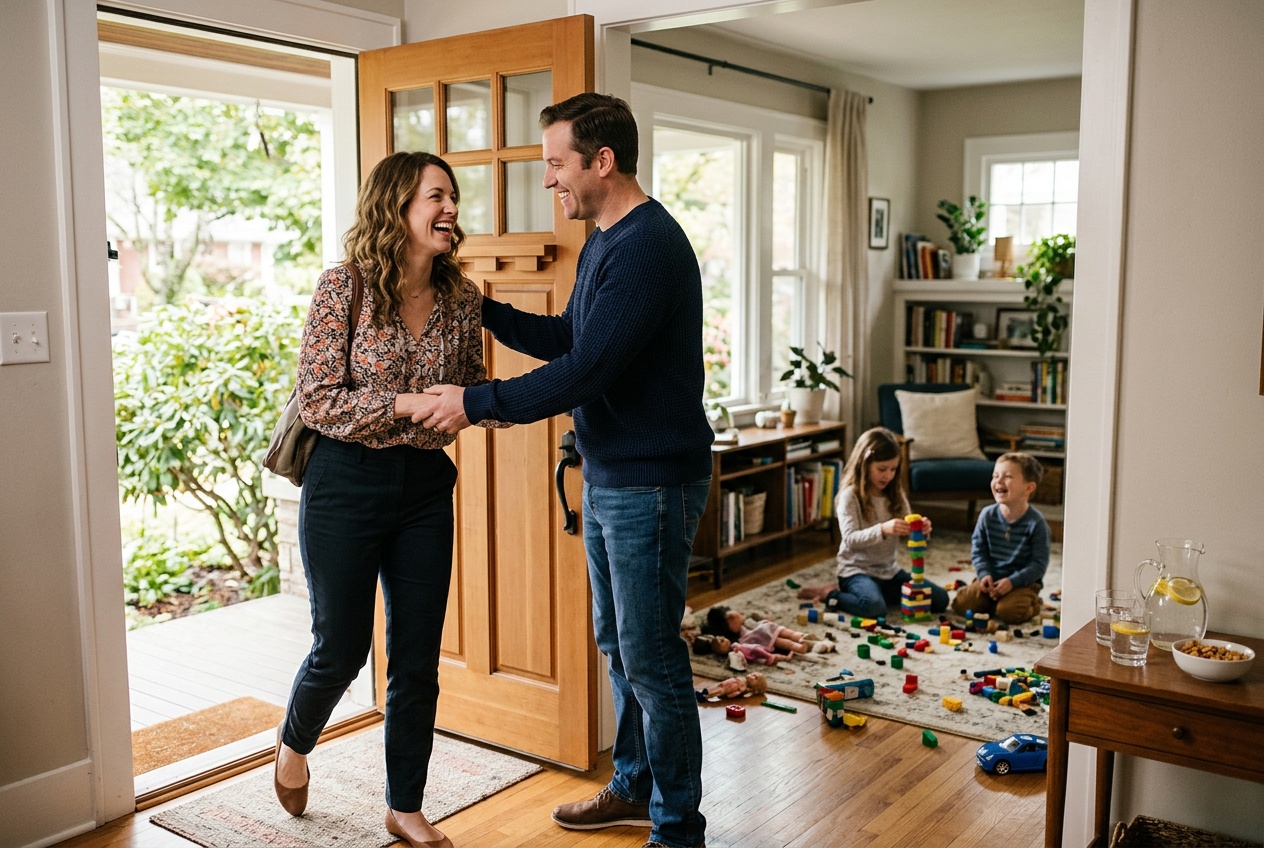
I greet both the parent and child at the door when they arrive. This helps me connect with the adult and makes the child feel welcome right away.
I give a quick tour of the play areas and point out where the bathroom is located. I also mention any house rules like taking shoes off or keeping food in the kitchen.
If the parent is staying, I offer them a seat and something to drink. If they’re leaving, I confirm the pick up time before they go.
I ask about any allergies, fears, or special needs during this greeting time. It only takes a minute but prevents problems later.
Sharing Contact Information
I exchange phone numbers with the other parent before they leave their child with me. I send a quick text so they have my number saved and can reach me easily.
I also ask for a backup contact person in case I can’t reach the main parent. This might be another family member or a neighbor who can help if needed.
Key details I always confirm:
- Parent’s cell phone number
- Best way to reach them (call or text)
- Backup contact name and number
- Any relevant medical information
I keep this information handy during the playdate. I put the phone number in my pocket or save it where I can grab it fast.
Coordinating Pick Up Timing
I confirm the exact pick up time when the parent drops off their child. I prefer specific times like 3:30 PM instead of vague windows like “mid-afternoon.”
I text the parent about 15 minutes before pick up time as a reminder. This gives them time to wrap up what they’re doing and head over.
If plans change and pick up needs to happen earlier or later, I communicate this as soon as I know. I never assume the other parent can be flexible without asking first.
I have the child gather their belongings about 10 minutes before pick up. This prevents the rushed scramble when the parent arrives at the door.
Managing Challenging Behavior
Kids don’t always follow the rules or get along perfectly, and some may feel uncomfortable being away from home. I’ll show you practical ways to handle these common situations so the playdate stays positive for everyone.
Addressing Disagreements Between Children
I step in early when I notice tension building between kids. The key is catching disagreements before they turn into full arguments or physical fights.
When kids start arguing, I bring them together and ask each child to explain their side. I make sure both get equal time to talk without interrupting. This helps them feel heard and often calms the situation.
My basic approach:
- Stay calm and use a neutral tone
- Separate the kids briefly if emotions are too high
- Ask what happened instead of assuming who’s at fault
- Help them find a solution together when possible
I guide kids toward compromises rather than declaring winners and losers. For example, if two kids want the same toy, I suggest taking turns or finding a similar toy. I set a timer for turn-taking so it feels fair.
If one child clearly broke a rule or hurt another, I address it directly but calmly. I don’t lecture for long. Instead, I ask them to apologize and move forward with a different activity.
Handling Rule-Breaking
I remind kids of the house rules at the start of each playdate. This prevents confusion about what’s allowed.
When a child breaks a rule, I address it right away. I explain what they did wrong and what the correct behavior is. I keep my tone firm but not angry.
Common rules I enforce:
- No hitting, pushing, or rough play
- Indoor voices inside the house
- Ask before taking food or drinks
- Stay in approved areas of the house
I give one clear warning for most first-time rule breaks. If the behavior continues, I move the child to a quiet spot for a quick break. This usually lasts just 3-5 minutes.
I contact the other parent if serious issues come up, like deliberate destruction of property or repeated aggression. I explain what happened without exaggerating and ask how they’d like me to handle it.
Dealing With Homesickness
Some kids get nervous or sad when away from their parents, especially during first playdates. I watch for signs like quietness, asking about their parent, or wanting to stop playing.
I acknowledge their feelings without making a big deal of it. I might say, “I know you miss your mom. She’ll be back soon.” This validates their emotion without adding worry.
My go-to strategies:
- Offer a favorite snack or drink
- Suggest a fun activity to redirect their attention
- Let them call or text their parent briefly
- Keep them engaged with the other kids
I call the parent if the child is very upset or asks to go home multiple times. There’s no shame in picking up a child early. Some kids just need more time to feel comfortable with playdates.
I never tell a child to “toughen up” or that they’re being silly. These feelings are real to them, and dismissing emotions makes things worse.
Navigating Sensitive Conversations
Sometimes issues come up during playdates that require direct communication with other parents. I need to address problems quickly while staying respectful and focused on the children’s wellbeing.
Talking to Parents About Incidents
I contact the other parent as soon as possible after an incident occurs. I start by stating the facts without blame or emotion. For example, I say “The kids got into an argument over a toy and Maya pushed Sam” instead of “Your daughter was aggressive.”
I use “I” statements to explain my concern. I might say “I noticed the children were struggling to share today” rather than “Your child doesn’t know how to share.” This approach keeps the conversation focused on problem-solving.
I pick the right time and place for these talks. I avoid discussing serious issues during pickup when kids are listening or when either parent is rushed. A phone call or text later works better for detailed conversations.
Providing Constructive Feedback
I ask permission before offering suggestions. I say something like “Would it be helpful if I shared what worked for us?” This gives the other parent control over the conversation.
I focus on specific behaviors instead of making general statements about a child’s character. I describe what I observed rather than labeling the child. I say “Alex had trouble waiting for his turn” instead of “Alex is impatient.”
I balance any concerns with positive observations. I mention what went well during the playdate before discussing problems. This prevents the other parent from feeling attacked or defensive.
Addressing Cultural Differences
I ask questions when I notice different approaches to parenting. I say “I noticed you handle snack time differently. Can you tell me more about that?” This shows respect and helps me understand their perspective.
I clearly communicate my household rules while respecting their choices. I explain “We don’t allow screen time during playdates, but I know every family is different.” This sets boundaries without judging their parenting style.
I stay flexible when possible. If another family removes shoes indoors or has different meal preferences, I accommodate these practices. I only hold firm on safety issues or rules that deeply matter to my family.
Fostering Lasting Positive Relationships
Building strong connections with other parents takes effort after the playdate ends. Simple actions like sending a thank you message and making concrete plans for next time help turn one-time meetups into regular friendships.
Expressing Gratitude After the Playdate
I always send a thank you text within 24 hours of the playdate. A simple message works best: “Thanks for having Emma over today. She had a great time playing with your daughter.”
If my child was the guest, I mention something specific they enjoyed. For example, “Jake loved building the fort with your son” shows I paid attention to what my child said about their visit.
When I hosted, I thank parents for bringing their child over and for any contributions they made. If they brought snacks or stayed to help supervise, I acknowledge that effort.
I avoid lengthy messages or excessive praise. A brief, genuine thank you is more effective than paragraphs of text. The goal is to show appreciation without creating pressure for an immediate response.
Planning Future Playdates
I suggest a specific date for the next playdate while the positive experience is fresh. Instead of saying “we should do this again,” I ask “Are you free next Saturday afternoon?”
Being direct saves time and prevents the awkward cycle of vague intentions that never happen. I offer two or three specific dates if the first one doesn’t work.
I let the other parent choose the location for the next playdate if I hosted last time. This creates a fair rotation and shows I’m not expecting them to always come to me.
If schedules don’t align right away, I suggest meeting at a neutral location like a park or playground. These options require less planning and work for busy families.
Staying Connected With Other Families
I add parents I connect with on my preferred communication app or exchange phone numbers. This makes it easier to coordinate future playdates without searching through school directories.
I send occasional updates when something reminds me of their family. A quick photo of our kids’ artwork or a “thinking of you” message maintains the connection between playdates.
I invite families to group activities like park meetups or birthday parties. These casual gatherings help friendships grow without the pressure of one-on-one hosting.
I respect their communication style and frequency. Some parents prefer weekly texts while others only reach out monthly. I match their pace instead of overwhelming them with constant messages.
When to Say No or End a Playdate Early
I know it feels uncomfortable to turn down a playdate request or cut one short. But protecting my child’s wellbeing and my family’s needs comes first.
I say no to playdate requests when:
- My child is sick, overly tired, or emotionally overwhelmed
- The timing conflicts with homework, family commitments, or necessary downtime
- My child doesn’t want to play with that particular friend
- I don’t have the energy or resources to host properly
I don’t need to provide a detailed explanation. A simple “Thanks for thinking of us, but today doesn’t work” is enough.
I end playdates early if:
- Either child becomes aggressive, mean, or repeatedly breaks house rules
- Someone gets hurt and needs medical attention or comfort at home
- The kids simply aren’t getting along despite my attempts to help
- My child asks to stop the playdate
I stay calm and direct when ending a playdate. I tell both children, “I think we’re done for today. Let’s plan another time when everyone is feeling better.”
If behavior problems caused the early end, I briefly explain to the other parent without blaming. “The kids were having trouble sharing today, so I called it early” works fine.
My job is to keep playdates safe and positive. Sometimes that means saying no or ending things sooner than planned. This protects all the children involved and models healthy boundaries.