
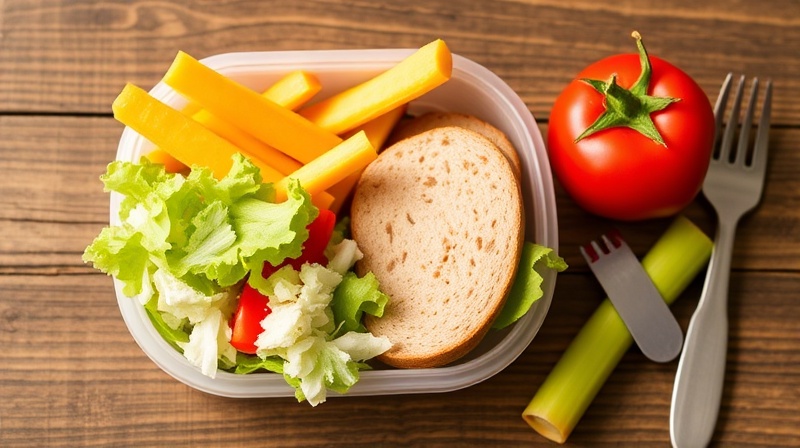
Transform lunch packing from daily battle to easy win with these creative strategies that get picky eaters excited about healthy food
If you’re reading this while staring at yet another untouched lunch box, you’re not alone. Millions of Canadian parents face the same daily challenge: how do you pack a nutritious lunch that your picky eater will actually consume? The good news is that with the right strategies, you can turn your selective eater into someone who looks forward to lunch time.
Picky eating is incredibly common—research shows that up to 50% of toddlers and 25% of school-age children go through selective eating phases. Understanding that this behaviour is normal (and often temporary) can help reduce the stress around meal planning and give you the patience needed to try new approaches.
Understanding Your Picky Eater
Before diving into lunch solutions, it’s helpful to understand why children become selective about food. Picky eating often stems from:
Sensory sensitivities: Some children are more sensitive to textures, smells, temperatures, or colours in food. What might seem like “being difficult” could actually be a genuine sensory response.
Need for control: Choosing what to eat gives children a sense of autonomy during a time when many aspects of their lives are controlled by adults.
Neophobia: The fear of trying new foods is evolutionarily normal and typically peaks between ages 2-6, though it can extend into school years.
Overwhelm: Too many options or mixed foods can feel overwhelming to some children who prefer simple, predictable meals.
Recognizing these underlying factors can help you approach lunch packing with empathy rather than frustration, leading to better outcomes for everyone involved.
9 Proven Strategies That Actually Work
1. Wrap It Up for Success
Why wraps work: Wraps feel different from sandwiches and can be more visually appealing. The act of unwrapping creates an element of surprise that many children enjoy.
How to make them appealing:
- Use colourful tortillas (spinach, tomato, or whole wheat varieties)
- Keep fillings thin and evenly distributed
- Try “inside-out” wraps where favourite ingredients are visible on the outside
- Cut into pinwheels for a fun presentation
- Include familiar favourites alongside one new ingredient
Winning combinations:
- Cream cheese, turkey, and thinly sliced cucumber
- Hummus, grated carrots, and mild cheese
- Peanut butter (if permitted) with banana slices
- Avocado, cream cheese, and shredded lettuce
Pro tip: Let your child help roll the wrap the night before. Kids are more likely to eat something they helped prepare.
2. Embrace the Sushi Trend
Even picky eaters often love sushi—there’s something appealing about the small, manageable portions and the interactive eating experience.
Beginner-friendly sushi options:
- Cucumber and cream cheese rolls
- Cooked salmon or canned tuna rolls
- Avocado and carrot rolls
- Tempura vegetable rolls (if available from grocery stores)
DIY approach: Create “sushi” using regular ingredients:
- Roll cream cheese and cucumber in a tortilla, slice into rounds
- Use nori sheets with cooked chicken strips and avocado
- Make rice balls (onigiri) with favourite fillings inside
Safety considerations: Always use sushi-grade fish if including raw ingredients, and check your school’s policies about fish products due to potential allergies.
3. Create DIY Lunchables
Store-bought Lunchables are popular for a reason—kids love the interactive, build-your-own aspect. You can recreate this concept with healthier ingredients.
Basic components:
- Whole grain crackers or mini pitas
- Sliced cheese (try different shapes using small cookie cutters)
- Lean deli meats
- Cherry tomatoes or cucumber slices
- Small container of hummus or cream cheese for spreading
Upgrade options:
- Add sliced hard-boiled eggs
- Include snap peas or mini peppers
- Try different cracker varieties (seed crackers, veggie chips, rice crackers)
- Add a small container of ranch or other favourite dip
Presentation matters: Use a compartmented container or several small containers to keep ingredients separate and visually appealing.
4. Make Food Packaging Fun and Functional
Sometimes the presentation is just as important as the food itself. Creating excitement around the lunch experience can encourage better eating habits.
Container strategies:
- Use clear containers so children can see their food
- Try bento-style boxes with separate compartments
- Invest in fun, reusable containers in favourite colours or themes
- Label containers with fun names (“Superhero Fuel,” “Brain Power Snacks”)
Interactive elements:
- Pack foods that can be assembled at lunch time
- Include small picks for spearing items
- Add a lunch note with eating instructions (“Eat the green stuff first for extra energy!”)
- Rotate container styles to maintain novelty
Special occasion touches:
- Use themed containers for holidays or special events
- Pack utensils in favourite colours
- Include a small toy or sticker as a surprise
5. Salads That Don’t Seem Like Salads
Many picky eaters reject traditional salads, but you can sneak in vegetables and proteins through creative presentation.
Kid-friendly salad concepts:
- Cobb-style separation: Keep all ingredients in separate sections so children can eat components individually or together
- Pasta salads: Mix vegetables into familiar pasta shapes with mild dressing
- Grain bowls: Use quinoa or rice as a base with small amounts of vegetables mixed in
- “Deconstructed” salads: Pack ingredients separately and let kids build their own
Protein additions that work:
- Grilled chicken strips (leftover from dinner)
- Hard-boiled eggs cut into fun shapes
- Cheese cubes or shredded cheese
- Chickpeas or black beans (start with small amounts)
- Sunflower seeds or pumpkin seeds (if nuts are prohibited)
Dressing success: Pack dressing separately to prevent sogginess, and offer familiar flavours like ranch, mild vinaigrette, or even a small amount of ketchup mixed with olive oil.
6. Protein-Packed Roll-Ups
This bread-free option works well for children who don’t like traditional sandwiches or have gluten sensitivities.
Basic technique: Wrap lunch meat around cheese sticks, securing with a fun pick if needed.
Variations to try:
- Ham and cream cheese roll-ups
- Turkey and avocado spirals
- Cheese wrapped in lettuce leaves
- Smoked salmon and cucumber rolls (for more adventurous eaters)
Accompaniments:
- Cherry tomatoes and cucumber slices
- Mini peppers with hummus
- Apple slices with a small container of nut butter (if permitted)
- Whole grain crackers for extra substance
7. Cookie Cutter Magic
Never underestimate the power of fun shapes to make ordinary food exciting.
Foods that work well with cookie cutters:
- Sandwiches (cut through bread, filling and all)
- Cheese slices
- Lunch meats
- Fruit like watermelon or cantaloupe
- Pancakes or waffles (made ahead and served cold)
Shape strategies:
- Use seasonal shapes (leaves in fall, flowers in spring)
- Try favourite animals or characters
- Cut multiple small shapes rather than one large one
- Let children choose the shape the night before
Minimize waste: Use scraps for snacks or save them for smoothies, soups, or other meals.
8. The Power of Leftovers
One of the most overlooked lunch solutions is simply repurposing dinner favourites.
Best leftover candidates:
- Quesadillas: Cut into triangles, delicious hot or cold
- Meatballs: Pack with a small container of favourite sauce
- Grilled chicken: Slice and serve with familiar sides
- Pasta: Most kids enjoy pasta dishes at room temperature
- Homemade pizza: Cut into fun shapes or strips
Reheating considerations:
- Some schools have microwaves available—check your school’s policy
- Use insulated containers to keep warm foods warm
- Many foods that are typically served hot are perfectly fine at room temperature
Safety reminder: Follow proper food safety guidelines for leftovers, ensuring they’re properly stored and consumed within safe timeframes.
9. Embrace Breakfast Foods
Who says lunch has to look like lunch? Many breakfast foods make excellent midday meals and are often more appealing to picky eaters.
Breakfast-for-lunch ideas:
- Mini pancakes with a small container of syrup
- Breakfast muffins (homemade or store-bought)
- Yogurt parfaits with granola and fruit
- Hard-boiled eggs with toast soldiers
- Breakfast wraps with scrambled eggs and cheese
- Oatmeal bars or granola bars
Make-ahead options: Prepare breakfast items on Sunday for the entire week, storing them properly for grab-and-go convenience.
Advanced Strategies for Persistent Picky Eaters
If the basic strategies aren’t working, try these more specialized approaches:
The “One Bite Rule”
Pack mostly familiar foods with one small portion of something new. Don’t pressure them to eat the new item, but exposure over time often leads to acceptance.
Temperature Preferences
Some children have strong preferences about food temperature. Experiment with:
- Room temperature vs. cold foods
- Using insulated containers for preferred temperatures
- Offering the same food at different temperatures on different days
Texture Modifications
- Blend vegetables into sauces or smoothies
- Offer raw vegetables instead of cooked (or vice versa)
- Try different preparation methods (roasted vs. steamed vs. raw)
- Separate wet and dry ingredients until eating time
Familiar Flavour Bridges
Use familiar seasonings or sauces to make new foods more appealing:
- Ranch dressing with vegetables
- Ketchup with proteins
- Mild cheese sauce with vegetables
- Favourite spices on new foods
Creating a Positive Lunch Environment
Setting Realistic Expectations
Remember that it can take 10-15 exposures to a new food before a child will try it, and many more before they’ll accept it. Don’t consider a packed lunch “failed” if everything isn’t eaten.
Communication Strategies
- Ask your child about their lunch when they get home, focusing on what they enjoyed rather than what they didn’t eat
- Let them help plan lunches on weekends
- Avoid turning lunch into a battle or source of stress
- Celebrate small victories (“You tried the cucumber!”)
School Coordination
- Communicate with teachers about your child’s eating habits
- Understand the school’s lunch policies and timing
- Consider whether your child needs extra time to eat
- Ask about the lunch environment—some children eat better in quieter or less chaotic settings
Troubleshooting Common Challenges
“They Never Eat What I Pack”
Possible solutions:
- Reduce portion sizes—sometimes less is more
- Include at least one item you know they’ll eat
- Ask them to help plan and prepare lunches
- Consider whether timing or environment factors are affecting appetite
“Everything Comes Back Soggy”
Prevention strategies:
- Use compartmented containers to separate wet and dry foods
- Pack dressing and sauces separately
- Choose moisture-resistant breads or wraps
- Include paper towels or napkins for cleanup
“They Trade Their Lunch Away”
Address by:
- Talking about food sharing policies with your child
- Packing foods they actually want to eat
- Communicating with teachers about food sharing
- Discussing nutrition and the importance of eating their own lunch
“They Say They Don’t Have Time to Eat”
Solutions include:
- Packing foods that can be eaten quickly
- Using easy-to-open containers
- Practicing opening containers at home
- Talking to teachers about lunch timing
Nutritional Considerations
While dealing with picky eating, it’s important to maintain nutritional balance when possible:
Essential Nutrients for School-Age Children
- Protein: Essential for growth and sustained energy
- Complex carbohydrates: Provide steady energy for afternoon learning
- Healthy fats: Support brain development and function
- Calcium: Critical for growing bones and teeth
- Iron: Prevents fatigue and supports cognitive function
- Vitamins and minerals: Support overall health and immune function
Sneaky Nutrition Boosts
- Add ground flaxseed to muffins or smoothies
- Use whole grain versions of familiar foods
- Include vitamin-rich fruits like berries or oranges
- Try vegetable-based pasta or crackers
- Use nut or seed butters for healthy fats and protein
When to Supplement
If your child’s diet is very limited, consult with your pediatrician about whether nutritional supplements might be beneficial.
Building Long-Term Healthy Eating Habits
Involve Kids in Food Preparation
Children are more likely to eat foods they’ve helped prepare. Age-appropriate tasks include:
- Ages 3-5: Washing fruits, stirring ingredients, choosing between options
- Ages 6-8: Measuring ingredients, spreading condiments, assembling sandwiches
- Ages 9+: Using kitchen tools safely, following simple recipes, planning meals
Grocery Shopping as Education
Bring children grocery shopping and let them:
- Choose between healthy options
- Learn about different fruits and vegetables
- Help with meal planning
- Understand where food comes from
Model Positive Eating Habits
Children learn more from what they see than what they’re told:
- Eat meals together when possible
- Try new foods yourself
- Speak positively about healthy foods
- Avoid labeling foods as “good” or “bad”
Special Dietary Considerations
Food Allergies and Restrictions
- Always check school policies about allergens
- Clearly label containers if your child has allergies
- Have backup plans for allergy-friendly alternatives
- Communicate with school staff about emergency procedures
Cultural and Religious Considerations
- Respect your family’s dietary traditions while encouraging variety
- Use familiar spices and flavours in new combinations
- Involve extended family in sharing food traditions
- Balance cultural foods with school lunch practicalities
Seasonal Lunch Strategies
Fall/Winter Approaches
- Use insulated containers for warm foods
- Include comfort foods that provide energy for colder weather
- Take advantage of seasonal produce like apples and squash
- Consider heartier, warming options
Spring/Summer Adaptations
- Focus on foods that taste good at room temperature
- Include extra hydration through fruits and vegetables
- Use cooling foods like yogurt and fresh fruits
- Be extra careful about food safety in warmer weather
Building Your Lunch Packing System
Weekly Planning
- Involve children in planning Sunday meal prep
- Prep ingredients in advance (wash fruit, cut vegetables, cook proteins)
- Create a weekly lunch menu to reduce daily decision fatigue
- Keep a list of successful lunches for easy reference
Shopping Strategies
- Keep a running list of lunch staples
- Buy versatile ingredients that can be used multiple ways
- Stock up on non-perishable items your child enjoys
- Try one new ingredient each shopping trip
Time-Saving Tips
- Pack lunches the night before when possible
- Use Sunday prep time for the whole week
- Keep a well-stocked “lunch station” in your kitchen
- Invest in quality containers that make packing easier
When to Seek Additional Support
While most picky eating is normal and temporary, consider consulting professionals if:
- Your child has lost weight or isn’t growing properly
- Eating habits are severely impacting social situations
- Your child shows signs of anxiety around food
- The family is experiencing significant stress around meals
- Your child’s diet is extremely limited (fewer than 20 accepted foods)
Healthcare providers, registered dietitians, and occupational therapists specializing in feeding can provide valuable support and strategies.
Moving Forward with Confidence
Remember that successful lunch packing for picky eaters is a marathon, not a sprint. Every child is different, and what works for one may not work for another. The key is to stay patient, keep trying new approaches, and maintain a positive attitude around food and eating.
Some days will be more successful than others, and that’s completely normal. Focus on progress rather than perfection, and celebrate small victories along the way. With time, patience, and the right strategies, most picky eaters will gradually expand their food preferences and develop healthier eating habits.
The goal isn’t to eliminate all food preferences or turn your picky eater into an adventurous foodie overnight. Instead, aim to ensure your child is getting adequate nutrition, developing a healthy relationship with food, and feeling confident and happy during lunch time at school.
By implementing these strategies consistently and adapting them to your child’s specific needs and preferences, you can transform lunch packing from a daily source of stress into an opportunity to nurture your child’s growth, independence, and positive associations with healthy eating.
What strategies have worked best for your picky eater? Share your successes and challenges—every family’s journey with food is unique, and your experience might be exactly what another parent needs to hear.